
Dr. Jart+
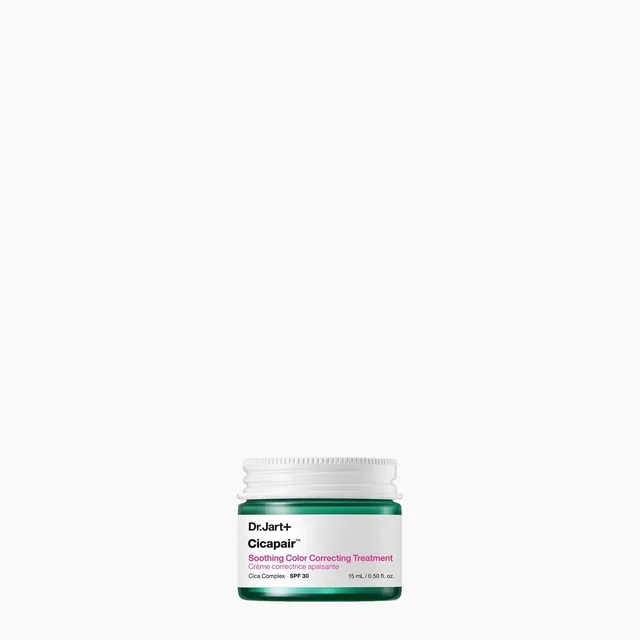
Cicapair Tiger Grass Serum
A serum by Dr. Jart+ — featuring Palmitoyl Tripeptide-8 (mimic of the body's…).
28 of 28 ingredients identified
Informational only — check the packaging and a professional for advice.
Category breakdown
Surfactant · 6Solvent / vehicle · 5Humectant · 5Soothing · 5Other · 3Emollient · 2Preservative · 1Active · 1
Relationships
Works well together
Asiaticoside + Centella AsiaticaMadecassic Acid + Centella AsiaticaGlycolipids + GlycerinAsiatic Acid + Centella AsiaticaAsiatic Acid + Madecassic AcidAsiatic Acid + AsiaticosidePalmitoyl Tripeptide-8 + Centella AsiaticaPalmitoyl Tripeptide-8 + AllantoinC12-13 Alketh-9 + Hydrogenated LecithinDextran + Glycerin
Full ingredient breakdown
2
A gold-standard humectant that draws water into the skin.
5
A methyl glucoside ethoxylate (20 ethylene oxide units) used as a gentle humectant that provides lasting hydration with a non-tacky finish.
7
A gentle humectant derived from sugar beets.
8
A gentle soothing and skin-conditioning agent.
11
A purified triterpene saponin from centella (Centella Asiatica). One of the key 'cica' actives, used for its calming and skin-repair properties.
12
A triterpenoid component of Centella asiatica known for soothing and barrier-supporting effects.
14
A centella-derived triterpene active in the 'madecassic/asiatic' family, valued for soothing and barrier-supporting effects.
16
A calming botanical (cica) prized for soothing stressed skin.
18
A palmitoylated synthetic tripeptide that mimics the anti-inflammatory signaling domain of alpha-melanocyte-stimulating hormone (α-MSH). Activates melanocortin MC-1R receptors on keratinocytes and immune cells, triggering the same anti-inflammatory cascade as the endogenous neuropeptide. Used in Dr. Jart+ Cicapair formulas and other K-beauty calming products for its potent yet gentle anti-inflammatory and sensitivity-reducing properties.
20
A branched-chain diol (3-methyl-1,3-butanediol) used in cosmetics as a humectant, co-solvent, and mild antimicrobial booster.
28
A branched polysaccharide of α-D-glucose units primarily linked α(1→6), produced by fermentation of Leuconostoc mesenteroides. Distinct from dextrin (a partially hydrolyzed starch). In cosmetics, dextran forms a hydrophilic film on skin surfaces, providing temporary plumping, hydration retention, and a silky skin feel. Used in premium serums and masks for its biopolymer moisturizing and film-forming properties.