
Ishizawa Labs
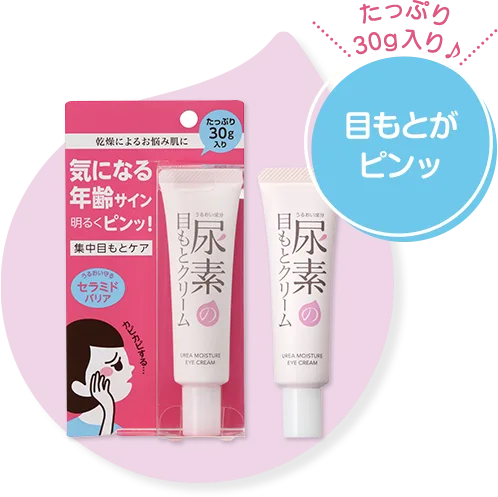
Sukoyaka Suhada Urea Moisture Eye Cream
I've tried many eye creams over the years and this is definitely one of the best!
34 of 34 ingredients identified
Informational only — check the packaging and a professional for advice.
Barrier-support ingredients present
Ceramide NP, Myristoyl Methyl Beta-Alanine (Phytosteryl/Decyltetradecyl) help reinforce the skin barrier.
Category breakdown
Humectant · 7Emollient · 6Solvent / vehicle · 4Soothing · 4Antioxidant · 4Other · 4Surfactant · 2Barrier support · 2Preservative · 1
Relationships
Works well together
Glycerin + Ceramide NPGlyceryl Tricaprylate/Caprate/Myristate/Stearate + GlycerinGlyceryl Tri(2-Ethylhexanoate) + DimethiconeSodium Hyaluronate + GlycerinEchinacea Purpurea Extract + Dipotassium GlycyrrhizateRubus Idaeus Root Extract + TocopherolAlpinia Speciosa Leaf Extract + TocopherolAlpinia Speciosa Leaf Extract + Dipotassium GlycyrrhizateDipotassium Glycyrrhizate + Licorice Root ExtractMyristoyl Methyl Beta-Alanine (Phytosteryl/Decyltetradecyl) + Ceramide NP
Full ingredient breakdown
2
A gold-standard humectant that draws water into the skin.
11
A dimer of glycerin used as a humectant; provides hydration with a slightly richer, more substantive feel than glycerin.
13
A humectant that hydrates at low levels and exfoliates at high levels.
14
A skin-identical lipid that rebuilds the barrier.
15
The salt form of hyaluronic acid; penetrates more readily.
16
A botanical that soothes and gently brightens.
17
Extract from Echinacea purpurea (purple coneflower). Contains alkylamides, polysaccharides, and caffeic acid derivatives with anti-inflammatory and immunomodulating properties. Used in Ishizawa's urea eye cream for soothing.
18
Extract from the root of Rubus idaeus (red raspberry). Rich in ellagitannins, anthocyanins, and flavonoids. Has antioxidant and anti-inflammatory properties. Used in Ishizawa's urea eye cream.
19
A dry extract of aloe vera leaves used to calm and hydrate skin, distinct from aloe leaf juice in processing and concentration.
20
Extract from the leaves of Alpinia speciosa (shell ginger / getto), a plant consumed and used medicinally in Okinawa, Japan. Rich in labdane diterpenoids and polyphenols with antioxidant and anti-inflammatory properties. Associated with longevity in Japanese folk medicine.
21
Aqueous or glycolic extract from the yuzu fruit (Citrus junos), a Japanese citrus valued in skincare for its high vitamin C precursor content, flavonoids, and aromatic compounds. Antioxidant and mild brightening action.
22
A licorice-root-derived salt that calms inflammation and soothes irritated, reactive skin.
23
A complex amino acid ester of myristic acid and phytosterol/decyltetradecyl alcohol. Forms liquid crystalline structures similar to the skin's intercellular lipid matrix. A barrier-supportive ceramide analogue. Used in Ishizawa's urea eye cream.
24
A glucose-based humectant that hydrates and supports the skin's own moisture-management systems.
25
A glucosylated trehalose produced enzymatically from hydrolyzed starch, used as a humectant, film-former, and emulsion stabilizer in moisturizing formulas.
27
A mixture of polyols (sorbitol, maltitol, and longer-chain sugar alcohols) obtained by hydrogenation of starch hydrolysate, used as a humectant and skin-conditioning agent.
29
Vitamin E; a lipid-soluble antioxidant that also conditions skin.