
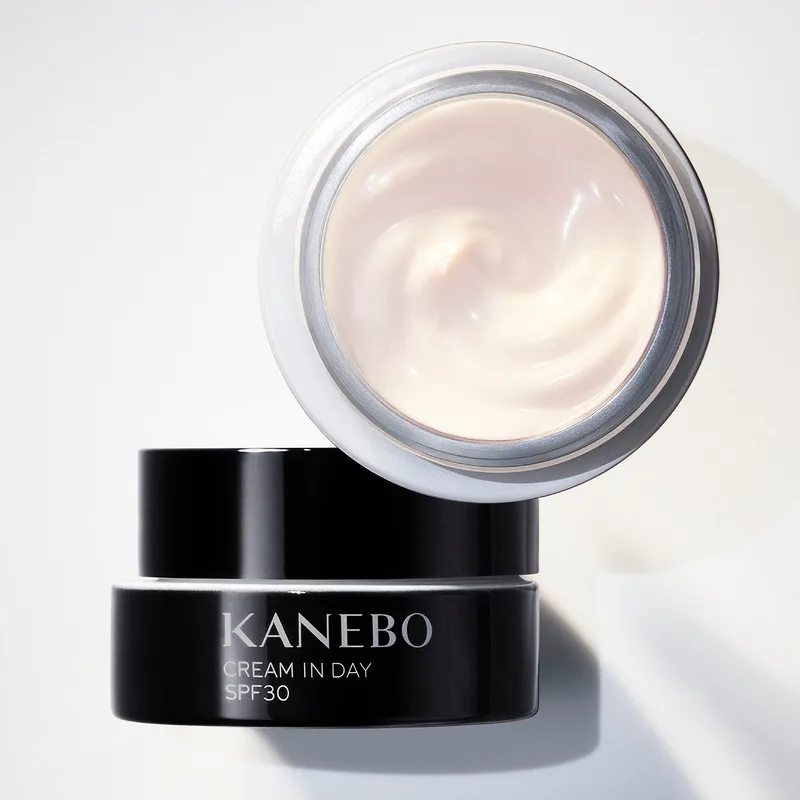
KANEBO
Cream in Day II
*2 A complex comprising C10-40 Isoalkyl Acid Cholesterol Esters, Phytosteryl Macadamiate, and Ceramide NG.
39 of 39 ingredients identified
Informational only — check the packaging and a professional for advice.
Barrier-support ingredients present
Hydrogenated Soybean Phospholipid, Cholesterol, N-Stearoyl Dihydrosphingosine help reinforce the skin barrier.
Contains fragrance
Fragrance is a common trigger for sensitivity and irritation in reactive skin.
Category breakdown
Emollient · 9UV filter · 7Other · 6Solvent / vehicle · 3Humectant · 3Barrier support · 3Active · 2Soothing · 2Preservative · 2Antioxidant · 1Fragrance · 1
Relationships
Works well together
Dipotassium Glycyrrhizate + NiacinamideTriisostearin + DimethiconeTriisostearin + SqualanePhenylbenzimidazole Sulfonic Acid + AvobenzonePhenylbenzimidazole Sulfonic Acid + Bis-Ethylhexyloxyphenol Methoxyphenyl TriazineCholesteryl Isostearate + SqualaneN-Stearoyl Dihydrosphingosine + CholesterolAlgae Extract + NiacinamideAlthaea Officinalis Root Extract + Dipotassium GlycyrrhizateBis-Ethylhexyloxyphenol Methoxyphenyl Triazine + AvobenzoneTris-Biphenyl Triazine + Bis-Ethylhexyloxyphenol Methoxyphenyl TriazineTris-Biphenyl Triazine + Titanium DioxideDiethylamino Hydroxybenzoyl Hexyl Benzoate + Avobenzone
Full ingredient breakdown
1
A versatile vitamin B3 derivative with multiple benefits.
2
A licorice-root-derived salt that calms inflammation and soothes irritated, reactive skin.
6
A sugar alcohol humectant derived from glucose that draws moisture into the skin and improves product texture.
7
A common chemical UVB filter (octinoxate) permitted up to 10% in EU and 7.5% in US sunscreens, with confirmed endocrine activity at high doses per 2025 SCCS opinion.
8
A dimer of glycerin used as a humectant; provides hydration with a slightly richer, more substantive feel than glycerin.
9
A gold-standard humectant that draws water into the skin.
15
A mineral UV filter effective against UVB and short UVA.
17
A water-soluble UVB UV filter (Ensulizole). Approved by FDA and EU (up to 4%). Converts UV energy to heat. Best used in combination with UVA filters due to its narrow UVB-only spectrum.
19
A hydrogenated form of soybean-derived phospholipids. Hydrogenation improves oxidative stability while maintaining structural similarity to skin lipids. Used as an emulsifier and barrier-supporting ingredient in premium formulations.
21
A key barrier lipid that works synergistically with ceramides.
24
A synthetic ceramide analogue — the N-stearoyl amide of dihydrosphingosine. Structurally similar to natural ceramide 2 (Ceramide NS). Directly integrates into the intercellular lipid matrix of the stratum corneum, strengthening the skin barrier. Used in premium Japanese skincare brands.
25
Vitamin E; a lipid-soluble antioxidant that also conditions skin.
26
A general term for extract derived from algae (seaweed). May come from red, brown, or green algae species. Contains polysaccharides (alginate, fucoidan, carrageenan), vitamins, and minerals. Used for its hydrating, antioxidant, and skin-conditioning properties.
27
Extract from the root of Althaea officinalis (marshmallow plant). Rich in mucilaginous polysaccharides that form a protective, soothing film on skin. Traditionally used for its demulcent and anti-inflammatory properties. Used in Kanebo's sensitive formulations.
28
A modern broad-spectrum chemical UV filter that absorbs across UVA and UVB and helps stabilize other filters.
29
An insoluble organic UV filter with broad-spectrum UVA+UVB protection. Photostable — does not degrade on UV exposure. Used in Japanese and European sunscreens. Related to Tinosorb S. Not yet FDA-approved for US market.
30
A chemical filter that provides UVA protection.
31
A modern, photostable chemical UV filter providing strong UVA protection in broad-spectrum systems.