
POLA
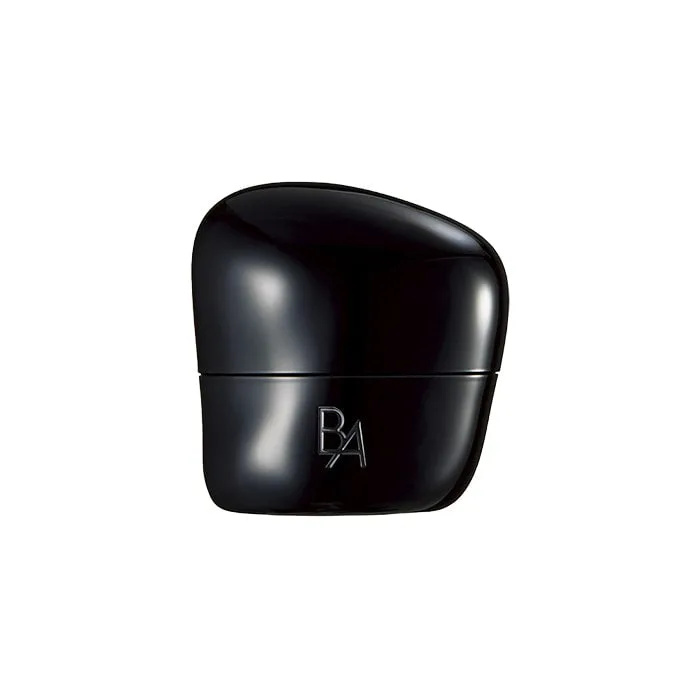
B.A Cream N
My skin feels deeply nourished and alive again—this rich cream delivers intense hydration that transforms even the driest, most tired complexion.
64 of 64 ingredients identified
Informational only — check the packaging and a professional for advice.
Two exfoliating ingredients
Contains Citric Acid, Glycolic Acid. Monitor for irritation, especially if combined with other actives.
Contains fragrance
Fragrance is a common trigger for sensitivity and irritation in reactive skin.
Category breakdown
Emollient · 25Soothing · 9Other · 7Humectant · 6Antioxidant · 6Solvent / vehicle · 4Surfactant · 2Exfoliant · 2Preservative · 2Fragrance · 1
Relationships
Works well together
Glyceryl Tri(2-Ethylhexanoate) + DimethiconeDimer Dilinoleyl (Phytosteryl/Isostearyl/Cetyl/Stearyl/Behenyl) + DimethiconeGlycine Max (Soybean) Oil + TocopherolTremella Fuciformis Polysaccharide + GlycerinDilauroyl Glutamate Lysine Sodium + Hydrogenated LecithinSalvia Officinalis (Sage) Leaf Extract + TocopherolAstragalus Sinicus Extract + Artemisia Princeps Leaf ExtractCystoseira Tamariscifolia Extract + TocopherolSennin-Koku Seed Extract + TocopherolZein + GlycerinZein + DimethiconeBeta-Carotene + TocopherolDaucus Carota Sativa (Carrot) Extract + TocopherolShikonin + TocopherolGlyceryl Tricaprylate/Caprate/Myristate/Stearate + Caprylic/Capric TriglycerideGlyceryl Tricaprylate/Caprate/Myristate/Stearate + GlycerinHydrogenated Rapeseed Oil + GlycerinPEG-32 + GlycerinPEG-32 + Butylene GlycolPEG-6 + PEG-32PEG-6 + GlycerinPEG-150 Stearate + GlycerinDi(Isostearyl/Phytosteryl) Dimer Dilinoleate + Hydrogenated LecithinSucrose Polystearate + GlycerinGlycolic Acid + GlycerinQuaternium-90 Bentonite + Dimethicone
Full ingredient breakdown
4
A gold-standard humectant that draws water into the skin.
7
A dimer of glycerin used as a humectant; provides hydration with a slightly richer, more substantive feel than glycerin.
17
A naturally occurring amino acid that acts as a humectant and supports the skin's own moisture-retention system.
18
An extract from the fruit (hips) of the dog rose rich in vitamin C, carotenoids and polyphenols, used for antioxidant and brightening benefits.
22
A high-molecular-weight polysaccharide extracted from Tremella fuciformis (snow mushroom), often marketed as a natural alternative to hyaluronic acid due to its exceptional water-binding capacity and film-forming properties.
24
An extract of common sage (Salvia officinalis) leaves rich in carnosic acid, rosmarinic acid, and phenolic diterpenes. Used for antioxidant, soothing, and skin-conditioning properties in toners and essences.
25
Extract from the leaves of Eriobotrya japonica (loquat/Japanese plum). Contains flavonoids (rutin, quercetin), ursolic acid, and tannins that provide antioxidant and soothing benefits. Used in Shiseido's d program acne-care range.
26
An extract of Astragalus sinicus (Chinese milk vetch), a legume plant used in Japanese traditional medicine (as rengesou). Provides anti-inflammatory, antioxidant, and skin-conditioning benefits in toners and essences.
27
Extract from the root of Ruscus aculeatus (butcher's broom). Contains steroidal saponins (ruscogenin, neoruscogenin) with vasoconstrictive, anti-inflammatory, and circulatory-supporting properties. Commonly used in eye creams and anti-puffiness formulas.
28
Extract from peppermint leaves. Contains polyphenols, rosmarinic acid, and flavonoids. Different from peppermint essential oil — extract is more water-soluble and gentler. Provides mild cooling and antioxidant benefits.
29
Extract from Cystoseira tamariscifolia, a brown marine algae (rainbow wrack). Contains polyphenolic phlorotannins and sulfated polysaccharides with antioxidant, anti-inflammatory, and skin-conditioning properties.
30
Extract from the seeds of Cassia obtusifolia (sicklepod, known as 'Sennin-koku' in Japanese). Contains emodin, torachryson, and related anthraquinones with antioxidant and soothing activities.
31
Extract from the bark of Betula pendula (silver birch). Contains betulin, betulinic acid, lupeol, and other terpenoids with anti-inflammatory, antioxidant, and soothing properties.
32
Extract from the rhizome of Coptis japonica (Japanese goldthread). Rich in berberine and other isoquinoline alkaloids with potent anti-inflammatory, antimicrobial, and antioxidant properties. Used in traditional Japanese and Chinese medicine.
33
An extract from Japanese mugwort (Artemisia princeps) leaves, known as yomogi in Japan. Rich in flavonoids, chlorogenic acid, and terpenoids; used in Japanese skincare for soothing, antioxidant, and anti-inflammatory properties.
35
A carotenoid pigment found in carrots, algae, and other plants. Functions as an antioxidant and as provitamin A (converts to retinol in the body). In skincare, also used as a colorant and antioxidant booster.
36
Extract from carrot root, rich in carotenoids (beta-carotene), vitamins, and antioxidants. Used for its antioxidant properties and contribution to a healthy skin tone.
37
A natural naphthoquinone pigment found in the roots of Lithospermum erythrorhizon and related plants. Has significant antioxidant, anti-inflammatory, and antimicrobial activity. Used as a natural colorant and functional active.
40
A medium-chain polyethylene glycol (MW ~1450 Da) that acts as a humectant, solvent, and consistency agent in lotions and creams. Well-tolerated; used in Japanese toners and emulsions.
46
A short-chain polyethylene glycol used as a humectant and solvent to hydrate skin and improve the feel and spreadability of formulas.
52
Vitamin E; a lipid-soluble antioxidant that also conditions skin.
58
An AHA most often used in small amounts to adjust pH.
59
The smallest AHA; a potent surface exfoliant.