
Sulwhasoo
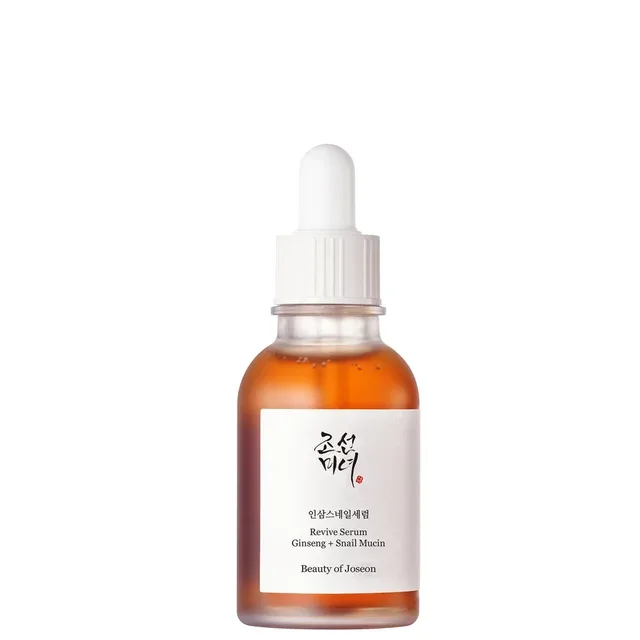
Concentrated Ginseng Renewing Serum EX
A nourishing serum by Sulwhasoo — featuring Niacinamide (reduces redness) and Hydrolyzed Ginseng Saponins (enzymatic or acid hydrolysis of…).
55 of 55 ingredients identified
Informational only — check the packaging and a professional for advice.
Barrier-support ingredients present
Phytosphingosine help reinforce the skin barrier.
Contains fragrance
Fragrance is a common trigger for sensitivity and irritation in reactive skin.
Category breakdown
Emollient · 10Humectant · 8Active · 8Other · 7Antioxidant · 7Solvent / vehicle · 4Fragrance · 3Preservative · 3Surfactant · 2Soothing · 2Barrier support · 1
Relationships
Works well together
Niacinamide + RetinolMethoxy PEG-114/Polyepsilon Caprolactone + GlycerinMethoxy PEG-114/Polyepsilon Caprolactone + CarbomerHydrolyzed Ginseng Saponins + Panax Ginseng Root ExtractHydrolyzed Ginseng Saponins + NiacinamideHydrolyzed Ginseng Saponins + Sodium HyaluronatePanax Ginseng Root Extract + NiacinamideSea Salt + GlycerinRehmannia Chinensis Root Extract + NiacinamidePanax Ginseng Flower Extract + Panax Ginseng Root ExtractPanax Ginseng Flower Extract + Hydrolyzed Ginseng SaponinsPanax Ginseng Flower Extract + NiacinamideSodium Hyaluronate + NiacinamideSodium Hyaluronate + GlycerinSodium Methyl Stearoyl Taurate + Behenyl AlcoholAcetyl Octapeptide-3 + Argireline
Full ingredient breakdown
3
A gold-standard humectant that draws water into the skin.
5
A methyl glucoside ethoxylate (20 ethylene oxide units) used as a gentle humectant that provides lasting hydration with a non-tacky finish.
7
A gentle humectant derived from sugar beets.
9
A versatile vitamin B3 derivative with multiple benefits.
17
Hydrolyzed Ginseng Saponins are produced by enzymatic or acid hydrolysis of the triterpene saponins (ginsenosides) present in Panax ginseng root. The hydrolysis cleaves sugar moieties, yielding smaller aglycone and protopanaxadiol/protopanaxatriol metabolites (including Rh1, Rh2, Rg3, compound K) that have improved skin penetration versus intact high-molecular-weight saponins. Used in premium Korean skincare as a high-potency, bioavailable form of ginseng active.
24
An extract of cocoa (Theobroma cacao) rich in polyphenols such as flavanols that provide antioxidant and soothing benefits; distinct from the seed-specific extract form.
29
A revered K-beauty botanical used for antioxidant, brightening and revitalizing effects.
31
An extract derived from the leaves and stems (aerial parts) of Panax ginseng, providing a ginsenoside and polyphenol profile distinct from root extracts, with antioxidant and soothing properties.
33
A natural humectant that hydrates, soothes and conditions skin with mild antimicrobial activity.
34
An extract from the root of Rehmannia chinensis (Chinese foxglove), one of the 50 fundamental herbs in TCM. Contains iridoid glycosides, oligosaccharides, and amino acids used for skin conditioning and antioxidant support in Japanese prestige skincare.
35
Panax Ginseng Flower Extract is derived from the flowers of the ginseng plant, a distinct botanical part with a unique ginsenoside profile compared to the root (the most commonly used part). Flower extracts are enriched in specific saponins and polyphenolic antioxidants that provide skin-brightening and anti-aging benefits. Used in premium Korean beauty products as part of multi-part ginseng complexes (root + flower + seed + berry).
36
An extract from the root of Paeonia lactiflora (herbaceous peony / Bai Shao), a distinct species from tree peony (P. suffruticosa) and white peony (P. albiflora), used in traditional Chinese and Korean medicine for its soothing, anti-inflammatory, and mild brightening properties.
37
An extract from the bulb of Lilium candidum (Madonna lily) containing polysaccharides and flavonoids, used to soothe and condition skin.
38
An extract from the rhizome of Polygonatum odoratum (scented Solomon's seal / angular Solomon's seal), a TCM botanical distinct from P. officinale; contains polysaccharides, steroidal saponins, and flavonoids with humectant and antioxidant properties.
39
A vitamin A derivative that accelerates cell turnover.
40
An extract from the flowers of the sacred lotus (Nelumbo nucifera) rich in flavonoids and tannins with antioxidant, soothing, and mild brightening properties.
43
A simple sugar humectant that draws moisture into the skin and serves as a substrate for skin-microbiome-friendly formulations.
44
Vitamin E; a lipid-soluble antioxidant that also conditions skin.
46
A synthetic phenolic antioxidant that prevents oxidation of oils and fats in cosmetic formulas, used at very low concentrations.
47
A hindered phenol antioxidant (Irganox 1010) used at very low concentrations to protect oils and fats in cosmetic formulas from oxidative degradation.
48
A precursor lipid that supports barrier function and has soothing properties.
49
A biodegradable polyamino acid polymer (poly-aspartic acid sodium salt) used as a high-performance humectant and film-former that provides sustained surface hydration.
50
The salt form of hyaluronic acid; penetrates more readily.
51
A synthetic seven-amino-acid peptide (Ac-Glu-Glu-Met-Gln-Arg-Arg-Ala; trade name Fensebiome™) that acts as a microbiome-modulating active, strengthening the skin's barrier and defence against pathogens rather than acting on neuromuscular SNARE pathways.
53
A peptide marketed to relax expression lines.
55
An 8-amino-acid acetylated peptide (trade name SNAP-8), the extended version of Acetyl Hexapeptide-3. Acts as a neurotransmitter inhibitor that relaxes facial expression muscles, providing a topical anti-wrinkle mechanism similar to botulinum toxin. Used in premium K-beauty peptide ampoules.